
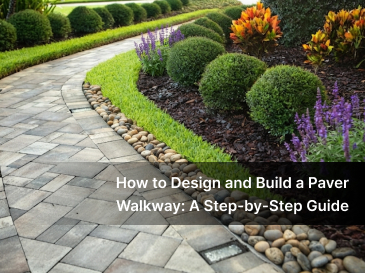
To design and build a paver walkway, we follow a structured process that ensures long-term performance and aesthetic appeal. This includes planning the layout, selecting decorative walkway pavers, excavating the site, installing a compacted base, adding a sand layer, laying the pavers in a consistent pattern, securing edges, and finishing with joint sand and compaction.
When you work with us at Vero Outdoor Living, we handle every step with precision to deliver a walkway that is not only beautiful but built to last.
When it comes to outdoor surfaces, not all materials perform the same. While concrete and asphalt may seem convenient, they often lack flexibility and visual appeal. Pavers, on the other hand, offer a more balanced solution.
For example, they are designed to handle natural ground movement without cracking. At the same time, they give you the freedom to customize the look of your space.
Because of these advantages, many homeowners choose pavers as a long-term investment. At Vero Outdoor Living, we guide you in selecting options that match both your style and your needs.
Before any construction begins, planning is essential. In fact, this step sets the tone for the entire project.
We take the time to understand how you want to use your walkway. For instance, is it meant to create a strong first impression at your entrance, or is it a quiet path through your garden? Once the purpose is clear, the design becomes much easier to shape.
To make things even clearer, we often suggest outlining the design with stakes and string. This simple step helps you visualize the final result before any digging begins.
Once the layout is finalized, the next step is choosing your materials. This is where style truly comes into play.
At Vero Outdoor Living, we offer a range of decorative walkway pavers to suit different preferences. Whether you prefer a modern, rustic, or classic look, there’s always a solution that fits.
More importantly, we help you choose materials that complement your home’s overall design. If you’d like to explore options in person, you’re always welcome to visit us and see what works best for your space.
Now that the design and materials are ready, it’s time to focus on the foundation. This is one of the most important steps, even though it often goes unnoticed.
We carefully excavate the area, usually to a depth of 6–8 inches. At the same time, we remove any grass, roots, or debris that could affect stability later on.
Although it may seem like basic work, proper preparation ensures your walkway remains even and stable for years.
After excavation, we move on to building a solid base. Without this layer, the walkway simply won’t hold up over time.
We add crushed stone or gravel and compact it carefully to create a firm, supportive foundation.
At Vero Outdoor Living, we pay close attention to this stage because it directly impacts the lifespan of your walkway.
Next, we apply a layer of coarse sand. While this step may seem small, it plays a big role in achieving a smooth finish.
The sand acts as a cushion, allowing us to adjust each paver as we place it. We carefully level the surface to ensure consistency throughout the walkway.
This is where everything starts to come together. One by one, we place the pavers, following the chosen pattern and design.
Instead of rushing, we focus on accuracy. This ensures that the final result looks clean and professional.
By working step by step, we create a surface that feels both solid and visually balanced.
Not every section will fit perfectly, especially around curves or edges. That’s why we carefully cut pavers to match the layout.
Using the right tools, we ensure clean cuts that blend seamlessly into the overall design. This attention to detail is what gives the walkway its finished, polished look.
To keep the walkway intact, edge restraints are installed along the sides. These prevent the pavers from moving over time.
Although they may not always be visible, they play an important role in maintaining the structure of your walkway.
Finally, we bring everything together by filling the joints with sand and compacting the surface.
This step locks the pavers in place, ensuring your walkway is ready for long-term use.
Naturally, cost is an important consideration. While prices can vary, understanding the basics can help you plan better.
At Vero Outdoor Living, we believe in clear and honest pricing. If you’re considering a project, feel free to contact us. We’re happy to guide you through your options.
While DIY projects can be rewarding, walkway construction requires precision and experience. Even small mistakes can lead to uneven surfaces or drainage issues.
When you work with us, you get more than just installation; you get expertise.
Our goal is to make the process smooth and stress-free while delivering results you’ll love.
One of the best things about paver walkways is how easy they are to maintain.
With just a little care, your walkway will continue to look great for years.
Designing and building a paver walkway is more than just a construction project it’s an opportunity to enhance your outdoor space in a meaningful way.
At Vero Outdoor Living, we’re here to help you every step of the way. From planning and design to installation and finishing, we make sure the entire process feels simple and rewarding.
If you’re ready to transform your outdoor space, visit us or contact us today. Let’s create a walkway that truly stands out.
A professionally installed paver walkway can last anywhere from 25 to 50 years or more when built with proper base preparation and quality materials. Regular maintenance, such as cleaning and joint sand refilling, further extends its lifespan.
Walkway installation cost depends on several factors, including the type of pavers selected, project size, site preparation requirements, design complexity, and labor charges. Custom patterns and premium materials can increase the overall investment significantly.
Yes, hiring professionals ensures precise installation, proper base preparation, and long-term durability. Experts use the right tools and techniques, reducing the risk of uneven surfaces, drainage issues, and costly repairs in the future.
The best material depends on your budget and design preference. Concrete pavers are versatile and affordable, while natural stone offers a premium, elegant look. Brick pavers provide a classic style with reliable durability for most residential projects.