
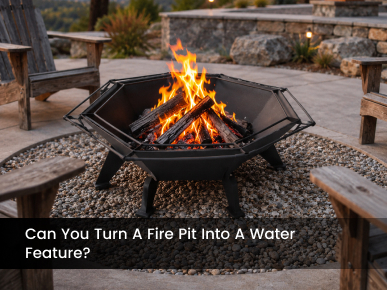
Yes, you can turn a fire pit into a water feature if its structure, materials, and drainage system are suitable for water use. The process usually involves removing or disabling fire components, waterproofing the basin, adding a pump and plumbing, and creating proper drainage. However, not every fire pit is suitable for conversion, so professional assessment is important.
To turn a fire pit into a water feature, you repurpose the existing structure so it can safely contain and circulate water. Instead of flames being the main focal point, the feature can produce bubbling, flowing, or cascading water.
Depending on the existing design, you could create:
However, a fire pit is not automatically designed to hold water. You need to check its construction and condition before starting a conversion.
No. Whether you can convert a fire pit into a water feature depends on several factors, including its construction, size, condition, drainage, and access to plumbing and electricity.
A permanent masonry fire pit may be easier to adapt than a lightweight portable model. Also check for cracks, heat damage, loose materials, and areas where water could escape.
Before you convert fire pit into water feature, consider:
The conversion process depends on the type of fire pit and the water feature you want. However, there are a few common steps involved.
First, check the structure for cracks, damage, loose materials, and other issues. If the fire pit uses gas or electrical components, qualified professionals must safely disconnect or remove these systems.
This step is important because it helps determine whether the existing structure can be reused.
The interior must hold water without allowing moisture to penetrate the surrounding structure. Repairs and suitable waterproofing may therefore be required.
This is one of the most important stages because constant water exposure can damage materials designed for heat rather than moisture.
A water feature needs a reliable circulation system. A pump moves water through the feature, while pipes direct it toward a fountain, bubbler, spillway, or other outlet.
For example, water can circulate from the basin through a decorative outlet and return to the reservoir.
Proper drainage makes cleaning and maintenance easier. Once the technical work is complete, you can add decorative stone, lighting, plants, or other landscaping elements.
As a result, an unused fire pit can become an attractive backyard focal point.
A DIY fire pit water feature may work for a simple decorative project, but more complicated conversions require careful planning.
If the project involves gas systems, electrical connections, permanent plumbing, waterproofing, or major structural changes, professional assistance is recommended.
A DIY project may be more suitable when:
However, professional installation can help prevent leaks, drainage problems, and costly repairs.
Converting an unused fire pit can provide several benefits.
Creates a New Focal Point
Moving water can add visual interest and become an attractive centerpiece for your patio or backyard.
Adds Relaxing Sounds
The gentle sound of bubbling or flowing water can create a peaceful atmosphere in an outdoor living area.
Reuses an Existing Structure
If you rarely use your fire pit, conversion can give it a new purpose without removing the feature entirely.
Complements Outdoor Landscaping
Water features can work well with seating areas, gardens, outdoor kitchens, patios, and other landscape elements.
Factor | Fire Pit Conversion | New Water Feature |
Existing structure | Reuses current structure | Built from scratch |
Design flexibility | Depends on existing pit | More flexible |
Waterproofing | May require modification | Planned from the start |
Plumbing | Must be adapted | Designed specifically |
Best option | Suitable existing structures | New or redesigned spaces |
The right choice depends on your existing fire pit and the overall design of your outdoor space.
At Vero Outdoor Living, we know outdoor features should complement how you use your space. If you are considering a fire pit-to-water-feature conversion or exploring new outdoor water feature ideas, professional planning can help you choose the best approach.
You can also explore our fire features to see how thoughtfully designed features can enhance an outdoor living area.
You can turn a fire pit into a water feature when the existing structure is suitable and the conversion is carefully planned. From waterproofing and drainage to plumbing and pump installation, each part needs to work together properly.
If your unused fire pit could benefit from a new purpose, consider discussing the possibilities with Vero Outdoor Living. With the right design, an existing feature can become a relaxing and attractive part of your outdoor space.
Not always. A fire pit must be properly evaluated and waterproofed before it is used as a water feature.
Yes, but gas components must be safely disconnected or removed before conversion. A qualified professional should handle gas-related work.
Simple projects may be manageable, but permanent conversions involving plumbing, electrical work, waterproofing, or gas systems can be complex.
Costs vary depending on the fire pit’s size, condition, waterproofing, plumbing, pump, drainage, and finishing materials.